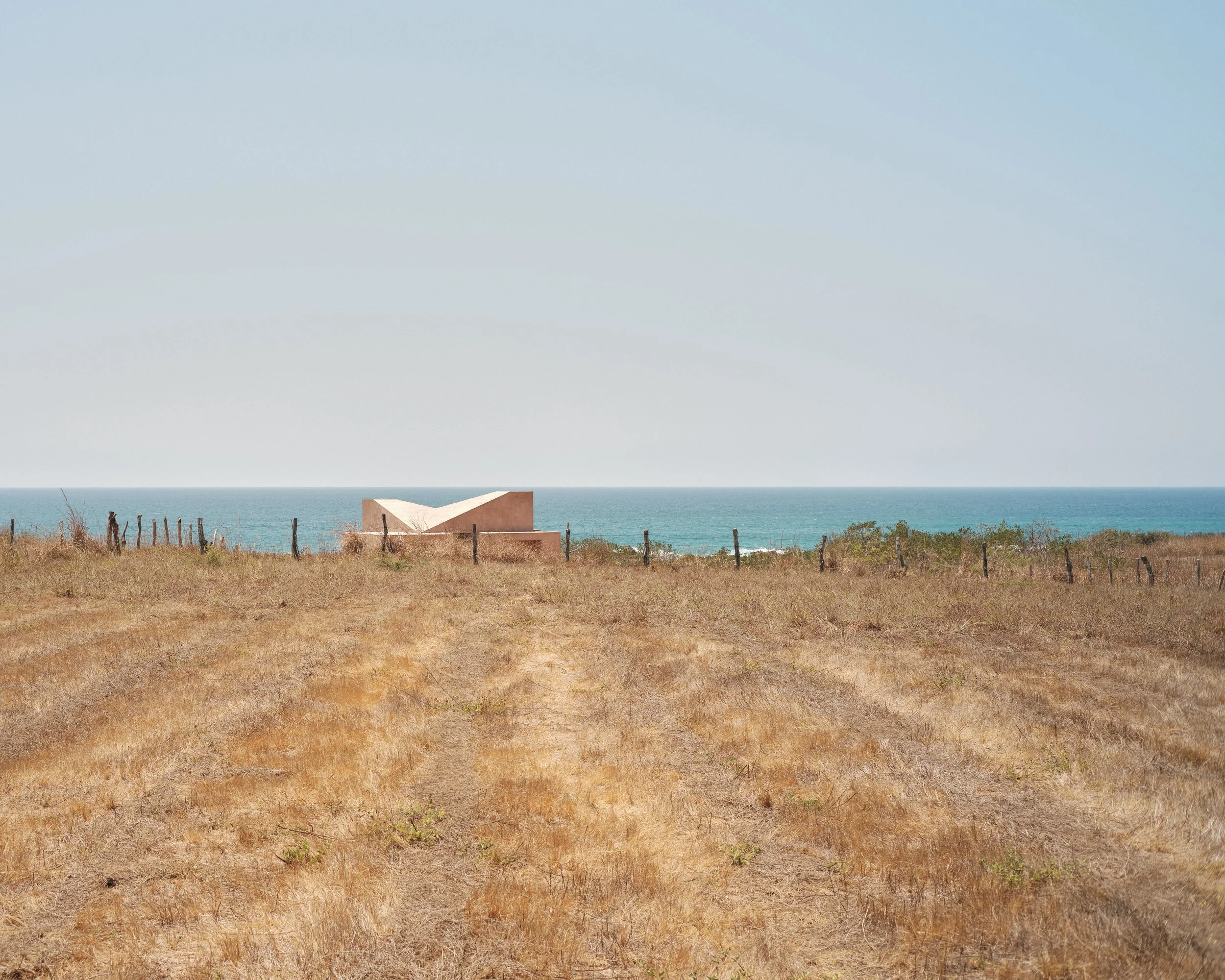
A Letter from Michan Architecture
November 1, 2026
Isaac Michan
Based in Mexico City, Michan Architecture approaches architecture as an open-ended inquiry into space, material and culture. In this letter, founding partner Isaac Michan considers the discipline on its own terms: how it shapes everyday life, unsettles what feels familiar and opens up new ways of seeing.
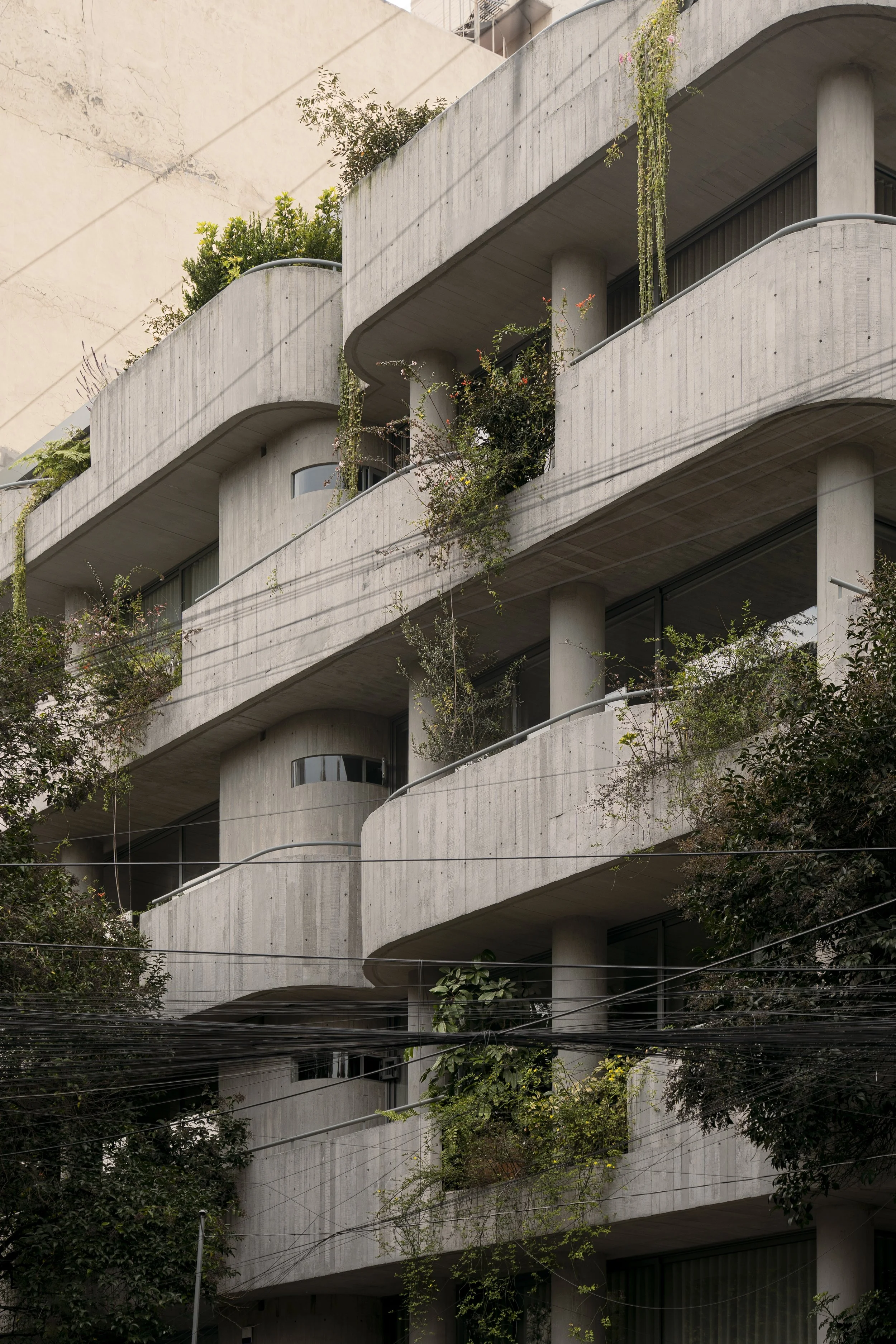
Architecture, Nothing More
Isaac Michan
As architects, we often believe we can change the world. We speak about social transformation, equality, sustainability and architecture’s responsibility to address the challenges of our time. These are important conversations, but I sometimes wonder whether, in trying to justify our discipline through these ambitions, we overlook what architecture itself can do.
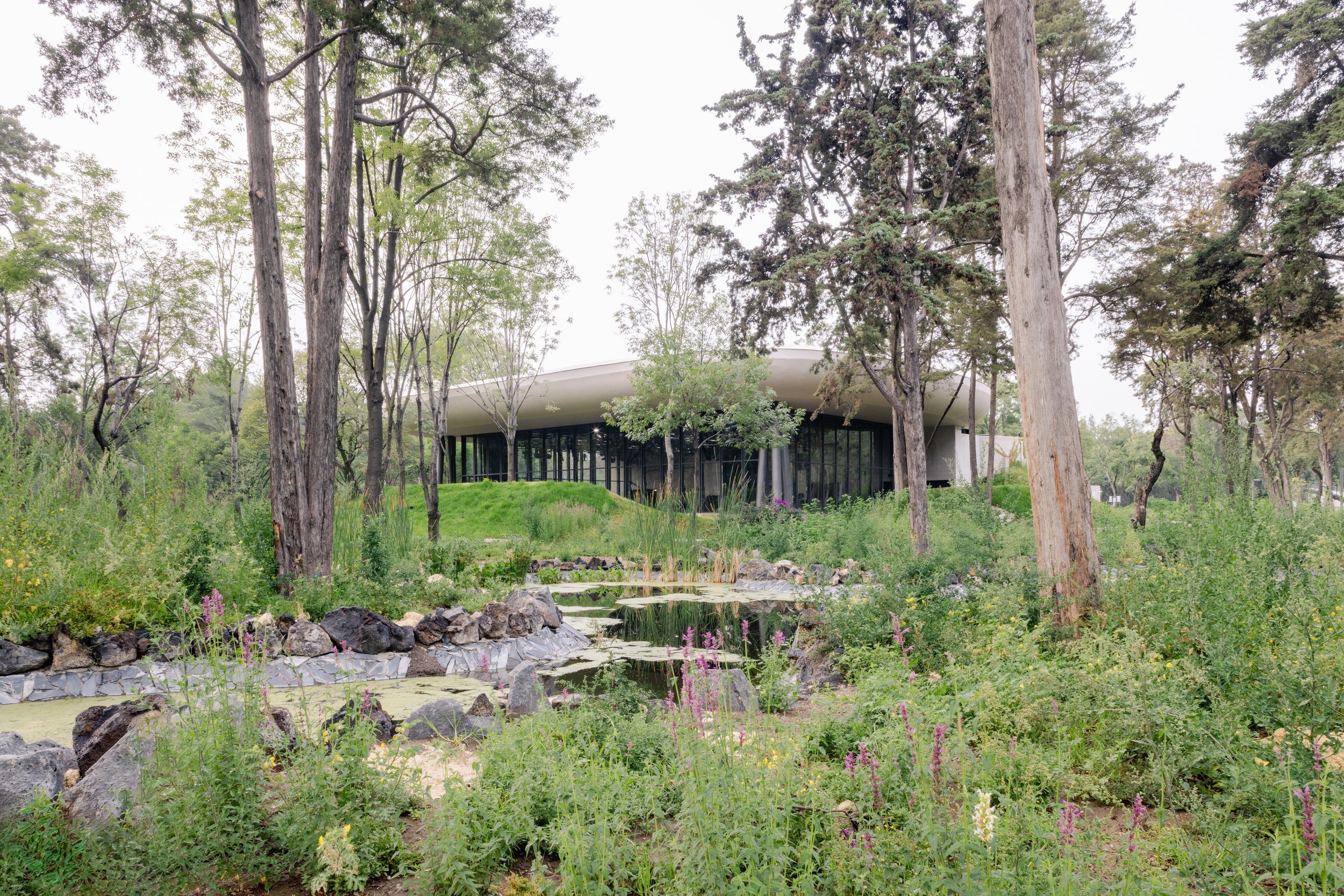
Unlike painting, sculpture or other creative disciplines, architecture is almost impossible to escape. It is the background against which life unfolds: it surrounds us, organizes our movements, frames our experiences and becomes part of our collective understanding of reality. I think of architecture as a kind of collective collage, assembled from buildings, objects, landscapes and fragments that together construct the world we recognize as familiar. Like a film soundtrack, which can subtly transform the mood of a scene without any conscious awareness, architecture can alter the atmosphere of everyday life.
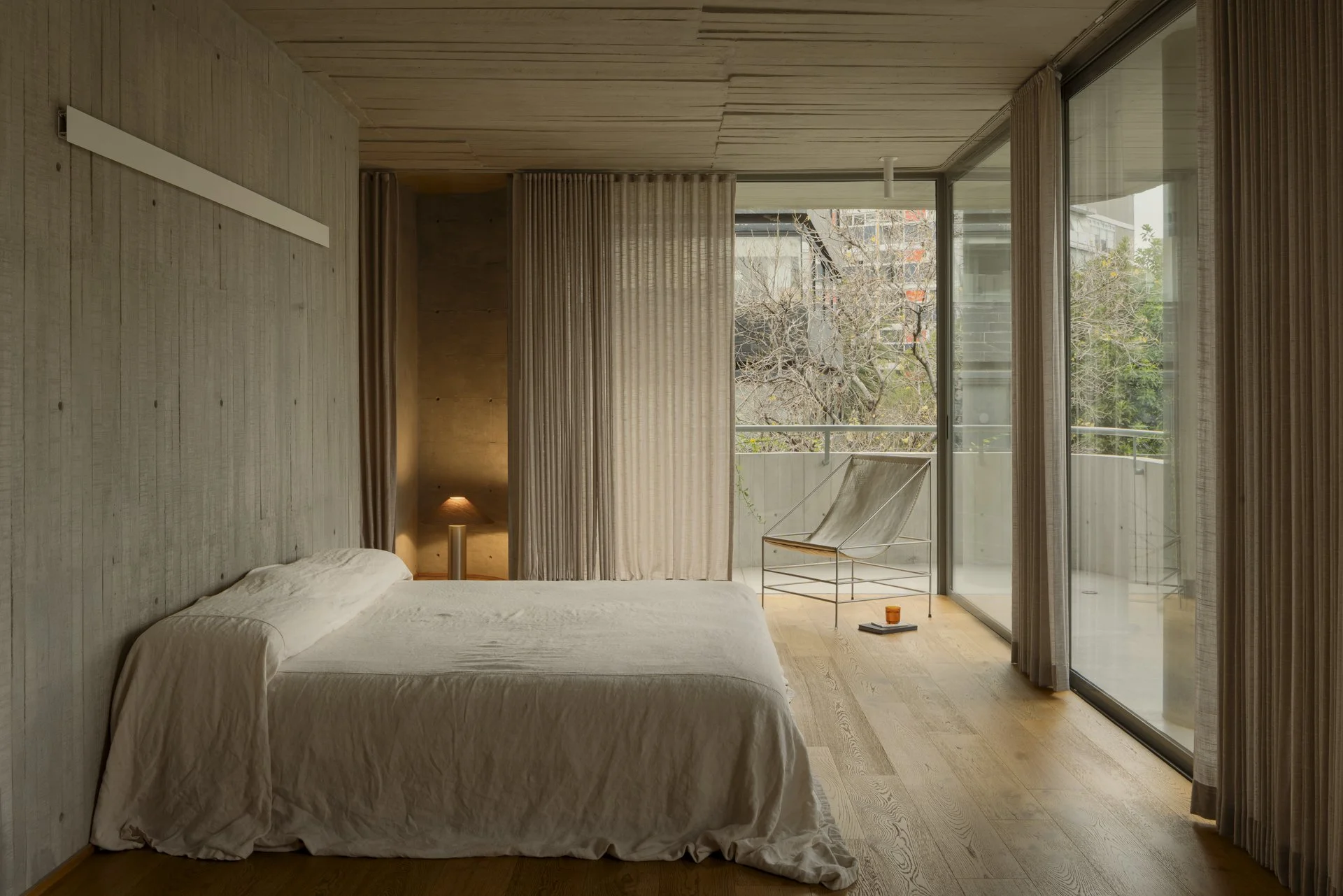
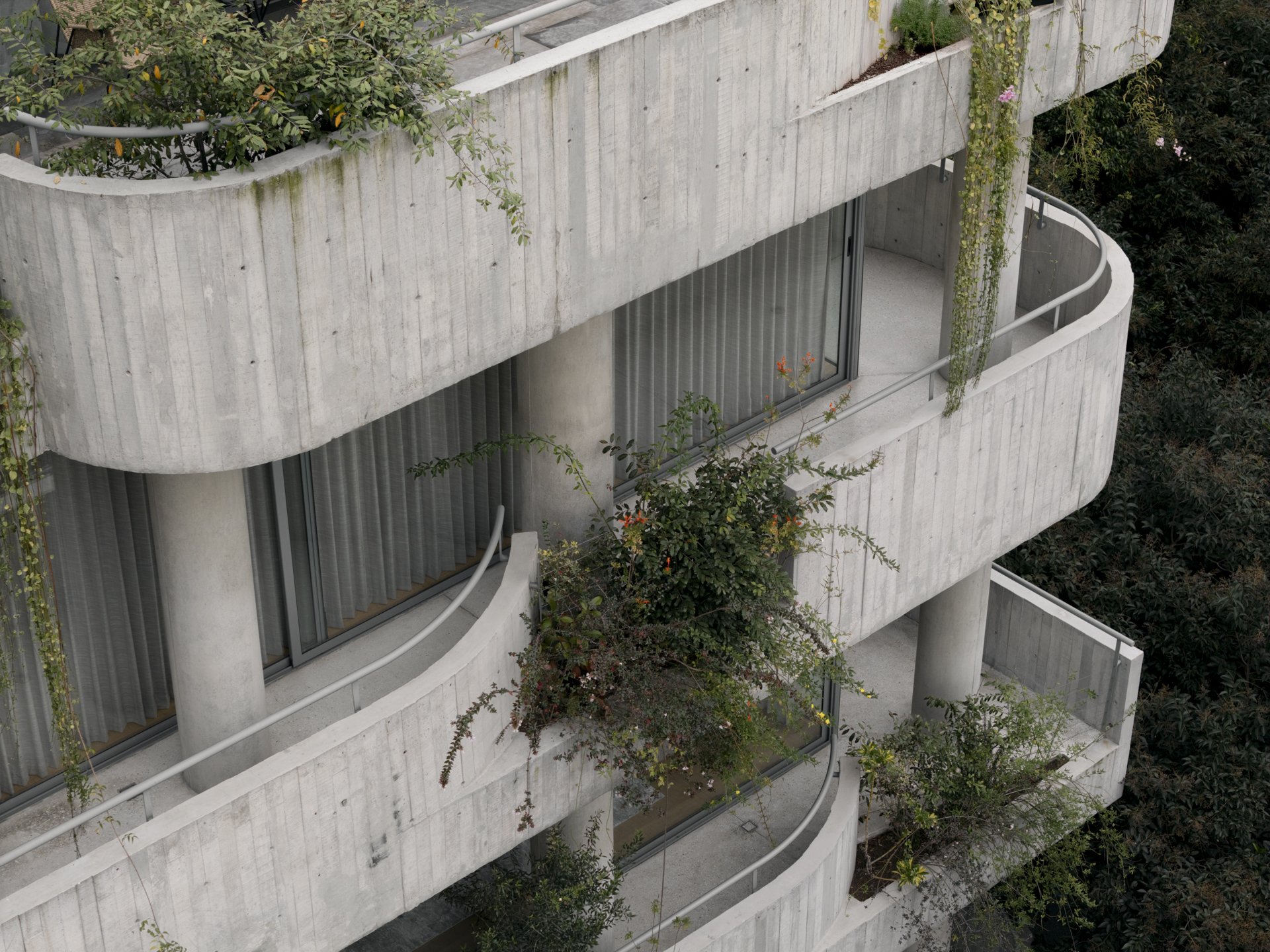
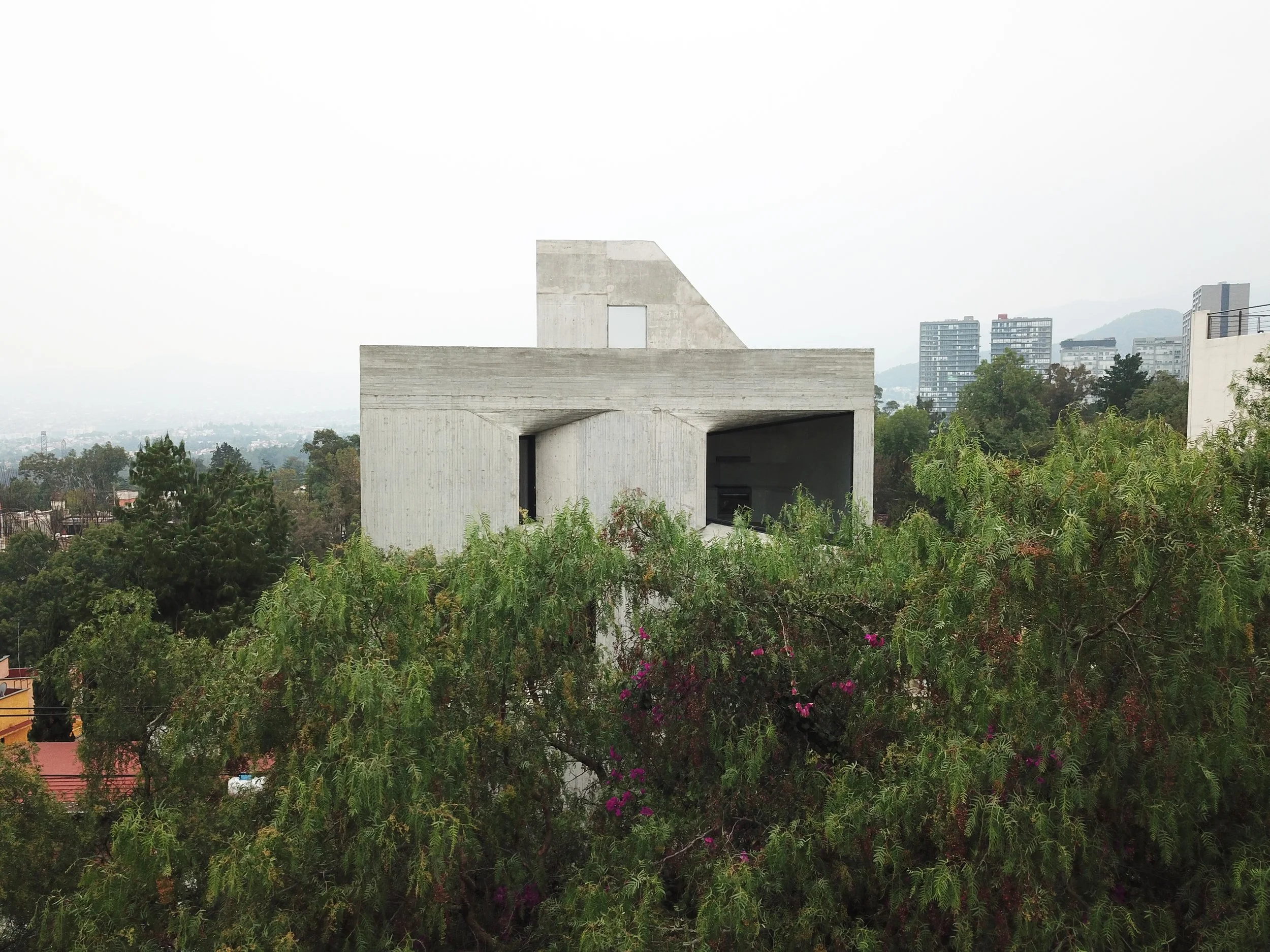
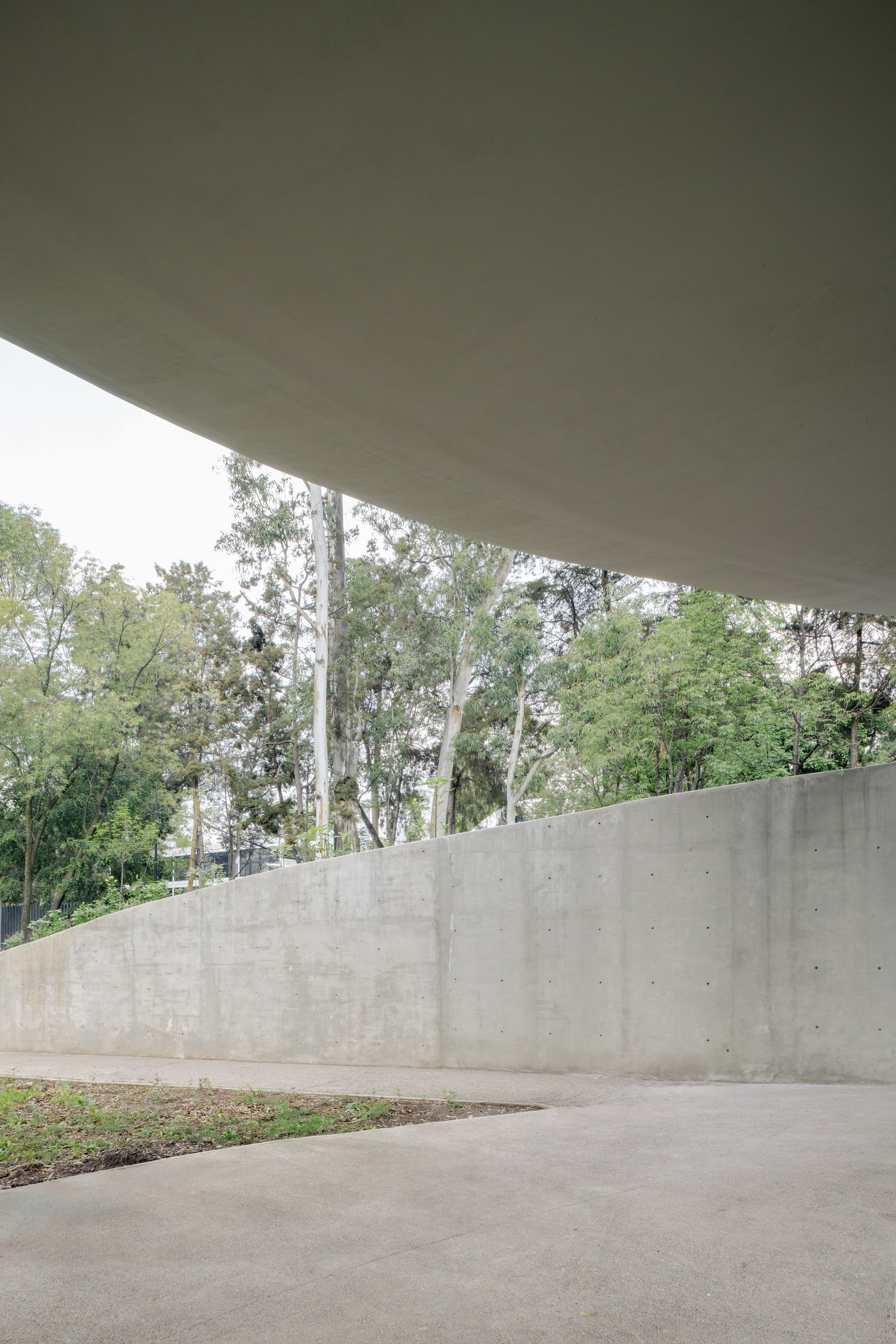
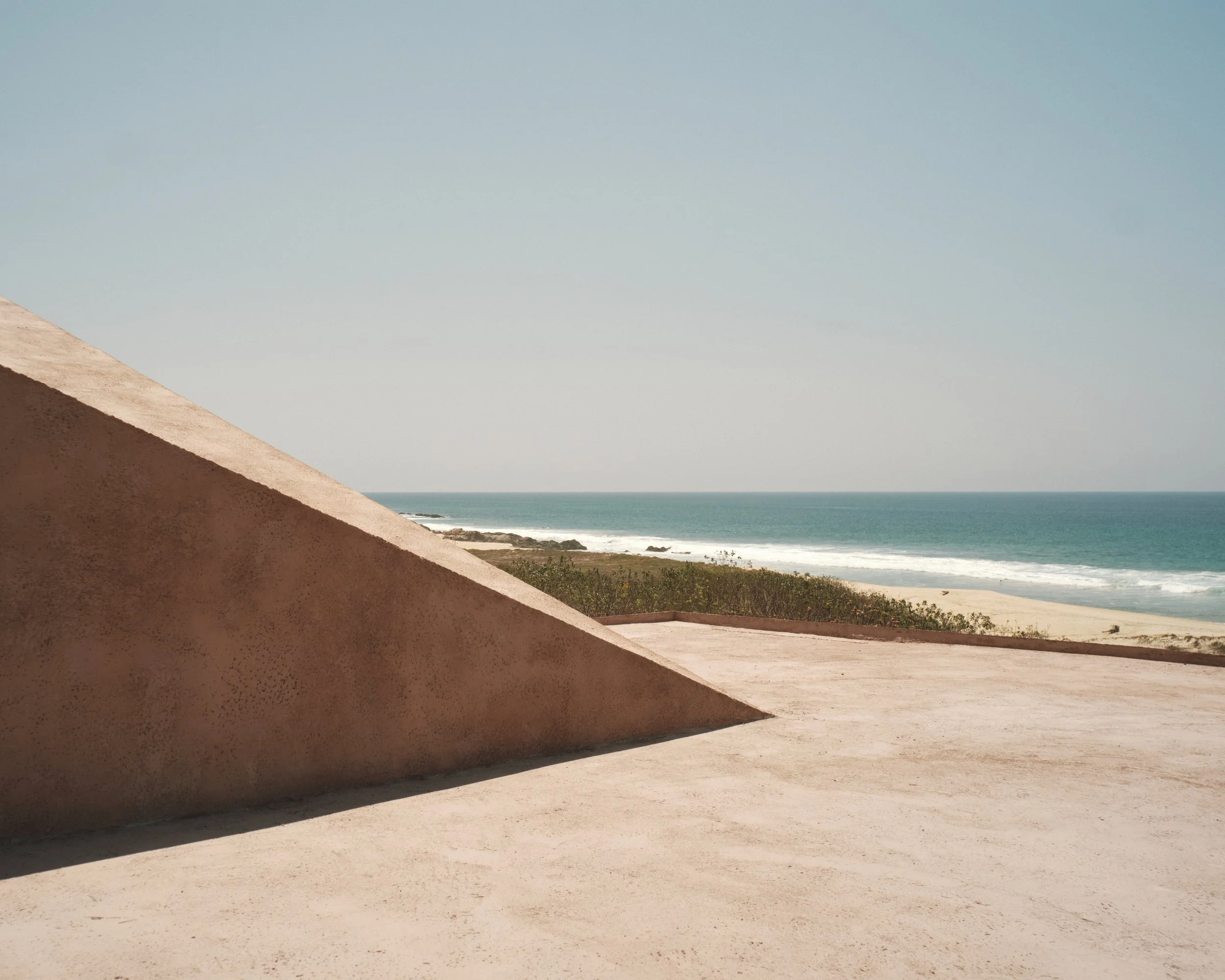
What interests me is the possibility of disturbing that familiarity. Some of my most memorable architectural experiences have come from buildings that made me question something I thought I understood: a space, structure or material behaving in a way I had never imagined. Such moments awaken curiosity and expand our understanding of what architecture can be. In our practice, we pursue this sense of discovery through geometry, materiality, structure and space. We question familiar conventions, reinterpret ordinary elements and explore how different architectural operations can produce unexpected experiences.
This does not mean making something different simply for the sake of difference. Difference alone has little value. What interests me is the search itself: the possibility that experimentation might contribute something to our collective imagination.