
In Conversation with Maria Rebelo Pinto
March 1, 2026
Tristan Murias Fernandez
Working closely with Manuel Aires Mateus for over two decades, Maria Rebelo Pinto leads the interior design department at the Lisbon-based atelier. Trained in both interior design and architecture, her work unfolds at the intersection of the two disciplines, where architecture and interior are conceived as a continuous whole.
Across projects such as Casa no Tempo, Casa em Monsaraz, and Santa Clara 1728, recurring concerns emerge — silence, temperature, timelessness, and a search for belonging — articulated through material, proportion, and atmosphere.
This conversation is drawn from a several-week exchange between Tristan Murias Fernandez and Maria Rebelo Pinto.
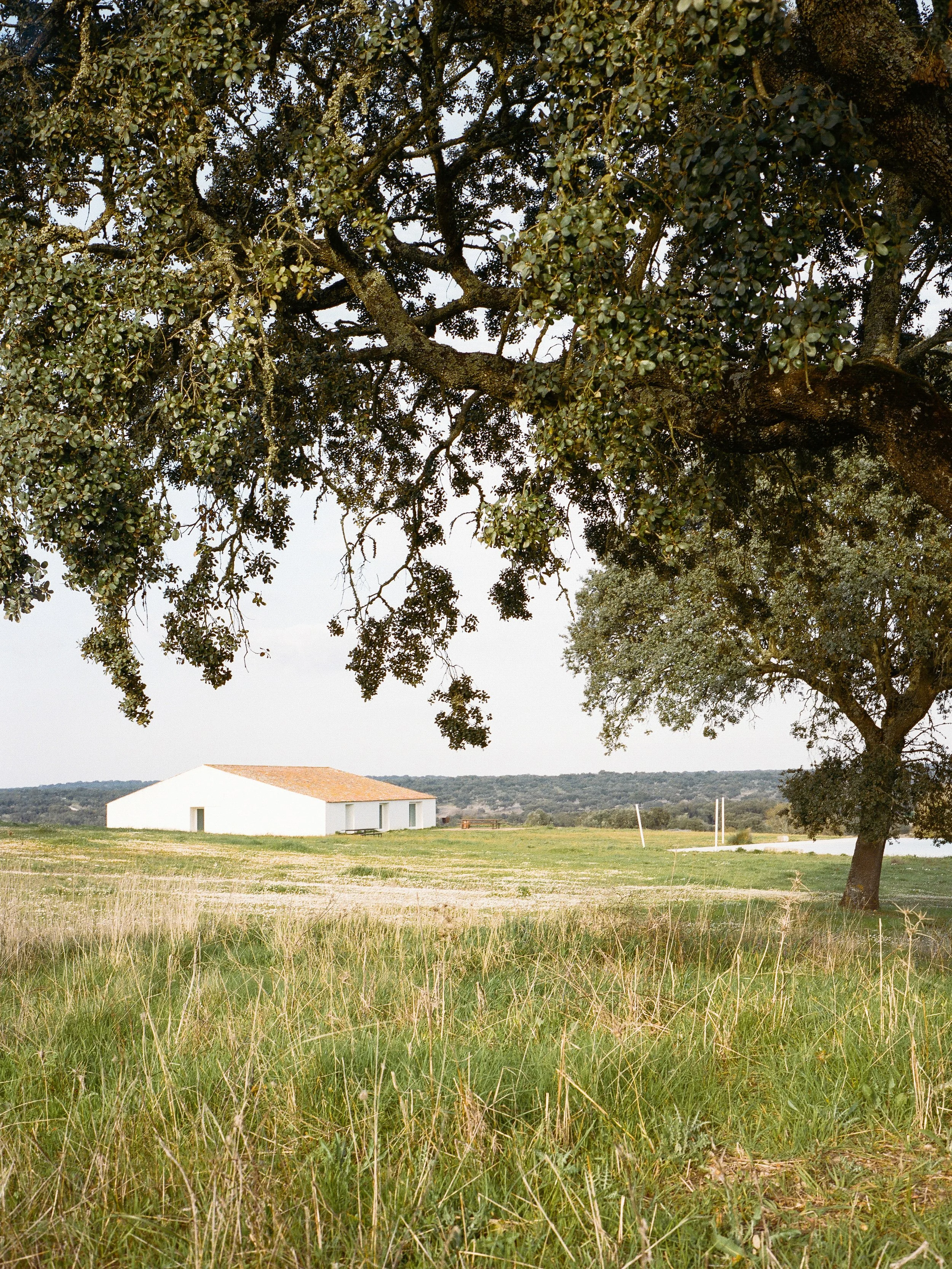
Tristan Murias Fernandez: Having been involved with Aires Mateus for over two decades, how has your understanding of interior space evolved over time, and how would you situate your role and voice within a practice known for a rigorous spatial language?
Maria Rebelo Pinto: I started working on Aires Mateus’s architectural projects. From the beginning, I dreamed of developing the interior design projects. The significant difference in the evolution of the interior space at Aires Mateus is due to the temperature achieved through the materials used.
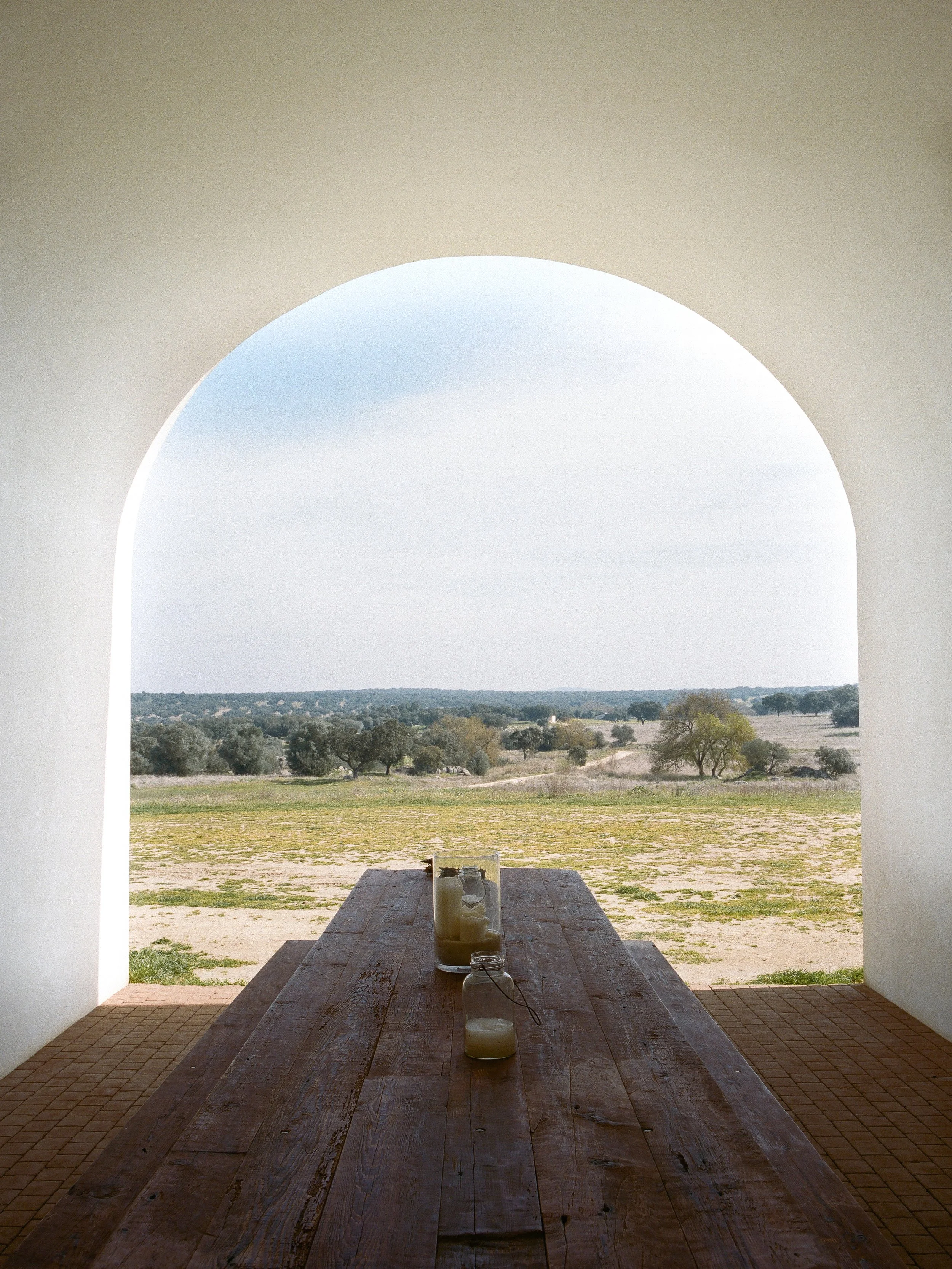
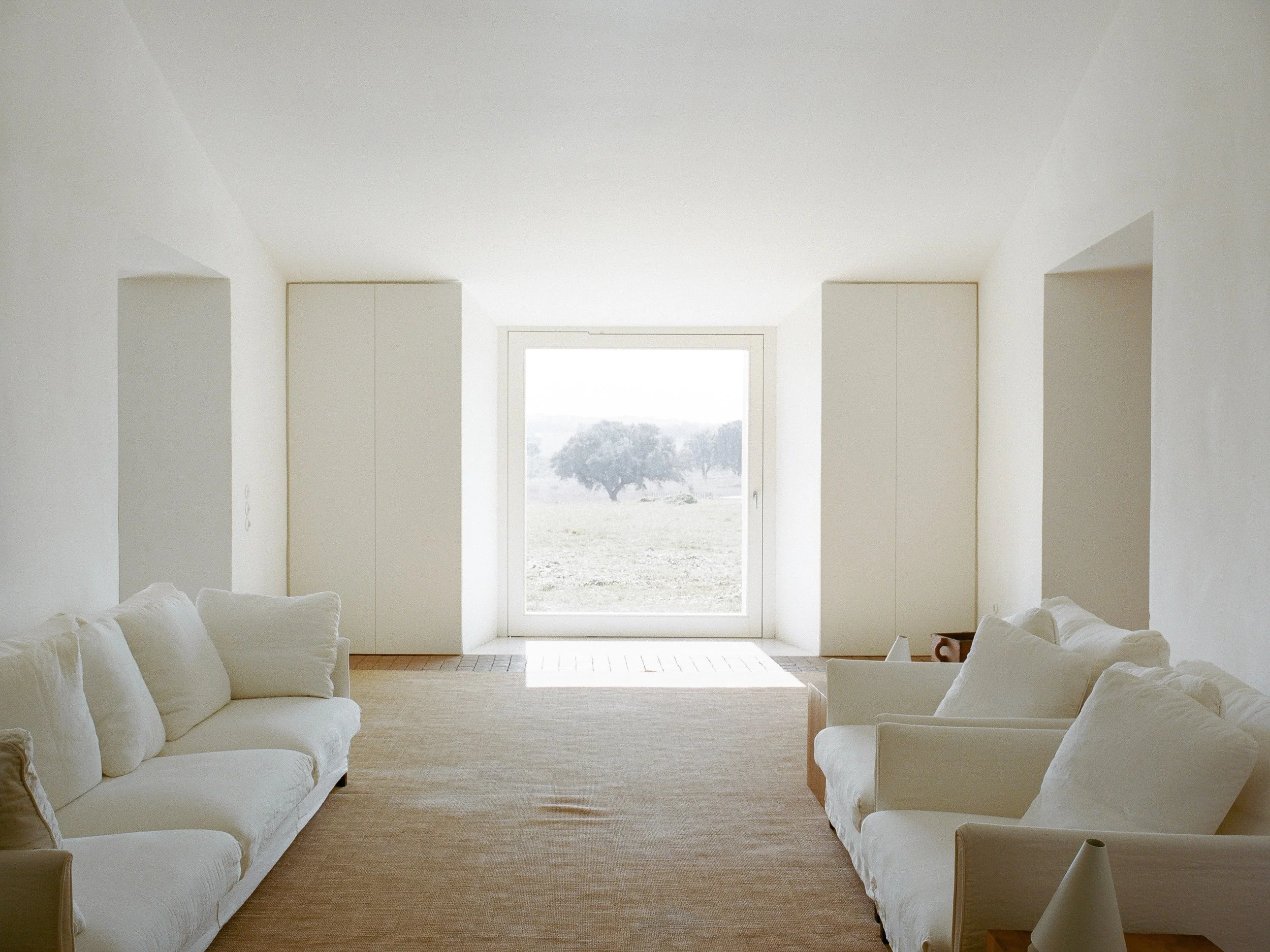
TMF: Having a background in interior design and soon completing my architecture degree, I often find myself thinking about spaces that are somewhat introspective, revealed gradually through experience rather than immediately through form.
With your training in both interior design and architecture, how do you understand the relationship between interior space and architectural space? Do you see interior design as a discipline with its own autonomy, or more as an extension of architecture?
MRP: At Aires Mateus my role is to deeply understand the architectural concept and to develop the interior design in a way that complements and extends it.
TMF: What tends to guide your very first decisions when beginning a project?
MRP: The light and proportion of the space are the basis for the start of the project.
I am deeply inspired by people. I value listening to their stories, understanding who they are, and embarking on a journey together. The same space can lead to very different outcomes depending on the brief, yet the intention remains constant : to create a sense of belonging.
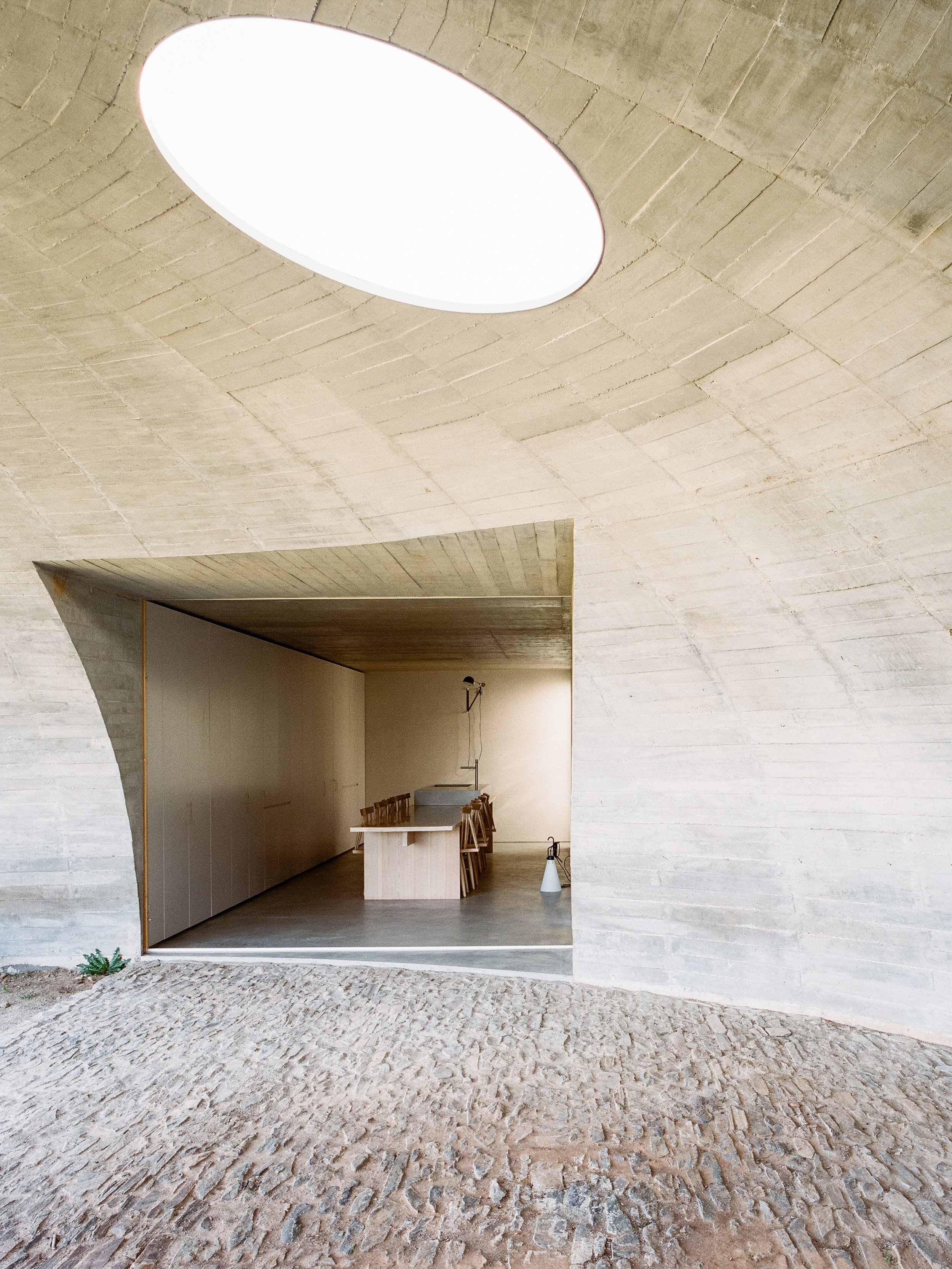
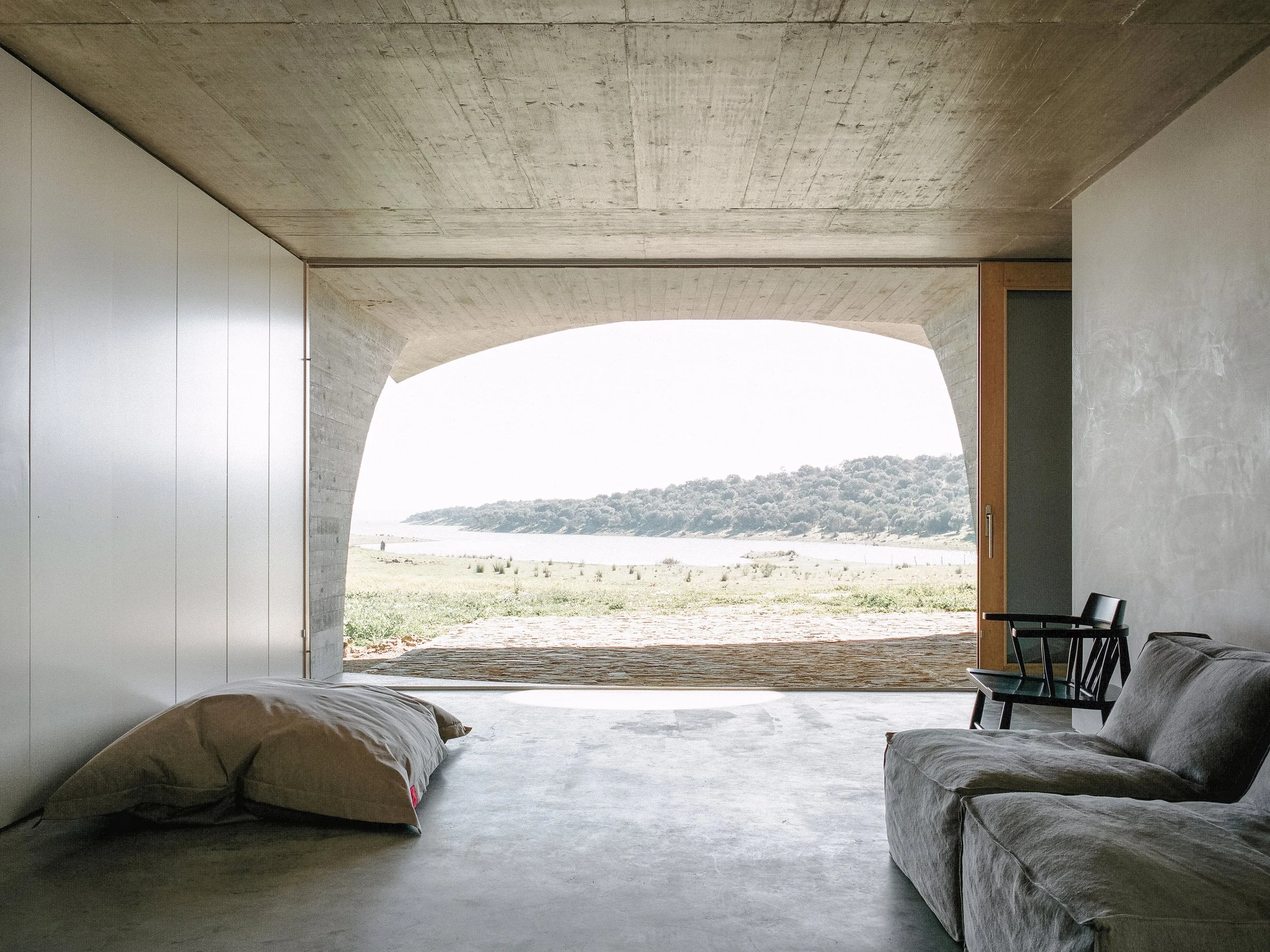
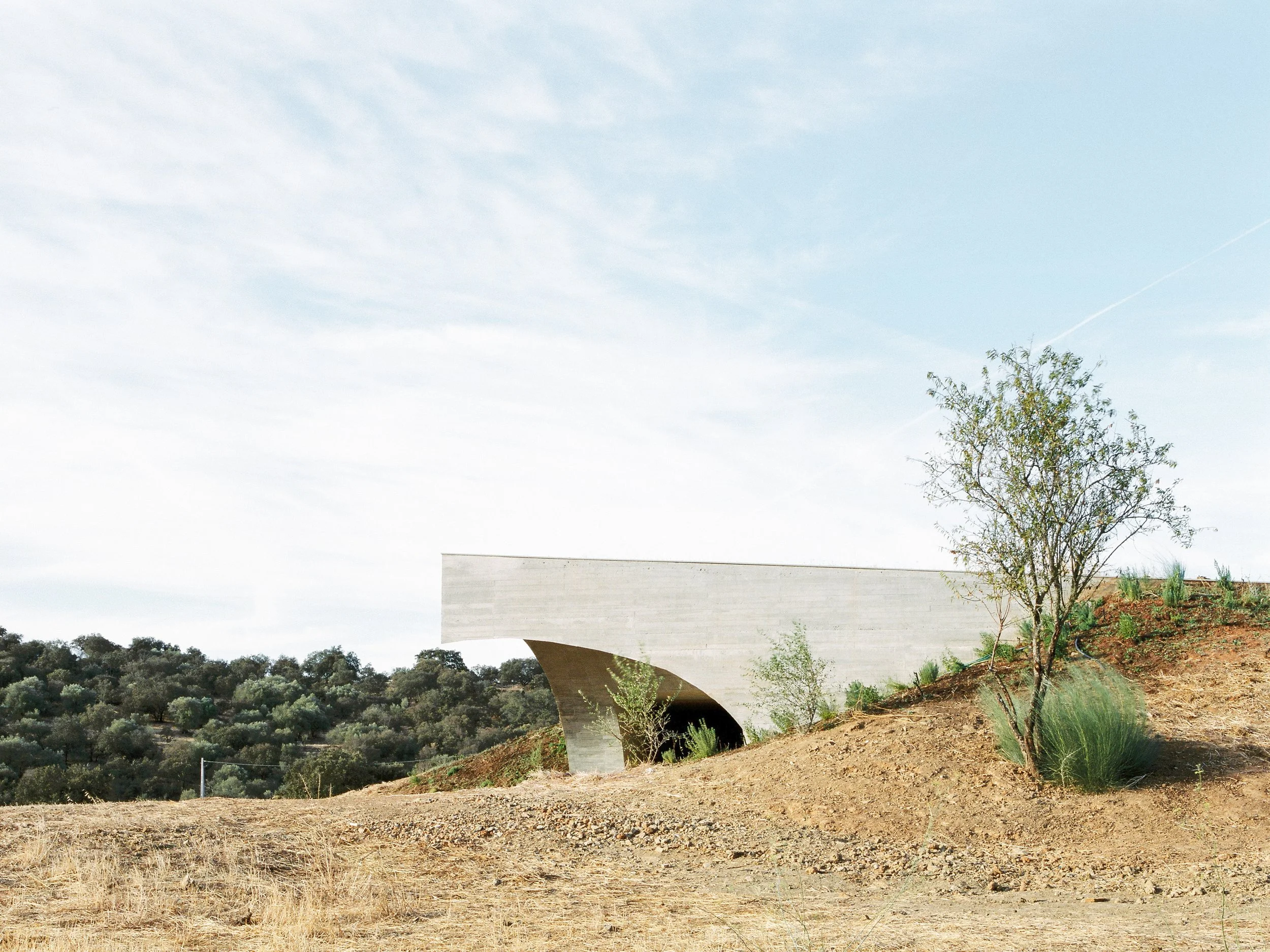
TMF: I believe silence is often an important spatial condition in architecture. How would you describe the role of silence in your creative practice? Is it closer to an ethical position, a form of restraint, or something that contributes to the density and atmosphere of a project?
MRP: A few years ago, I realized how essential silence is to me.
I believe spatial silence creates the conditions for us to find ourselves. It is not about emptiness, but about restraint — a sense of calm and clarity that allows emotion to emerge naturally and people to feel grounded.
Our Story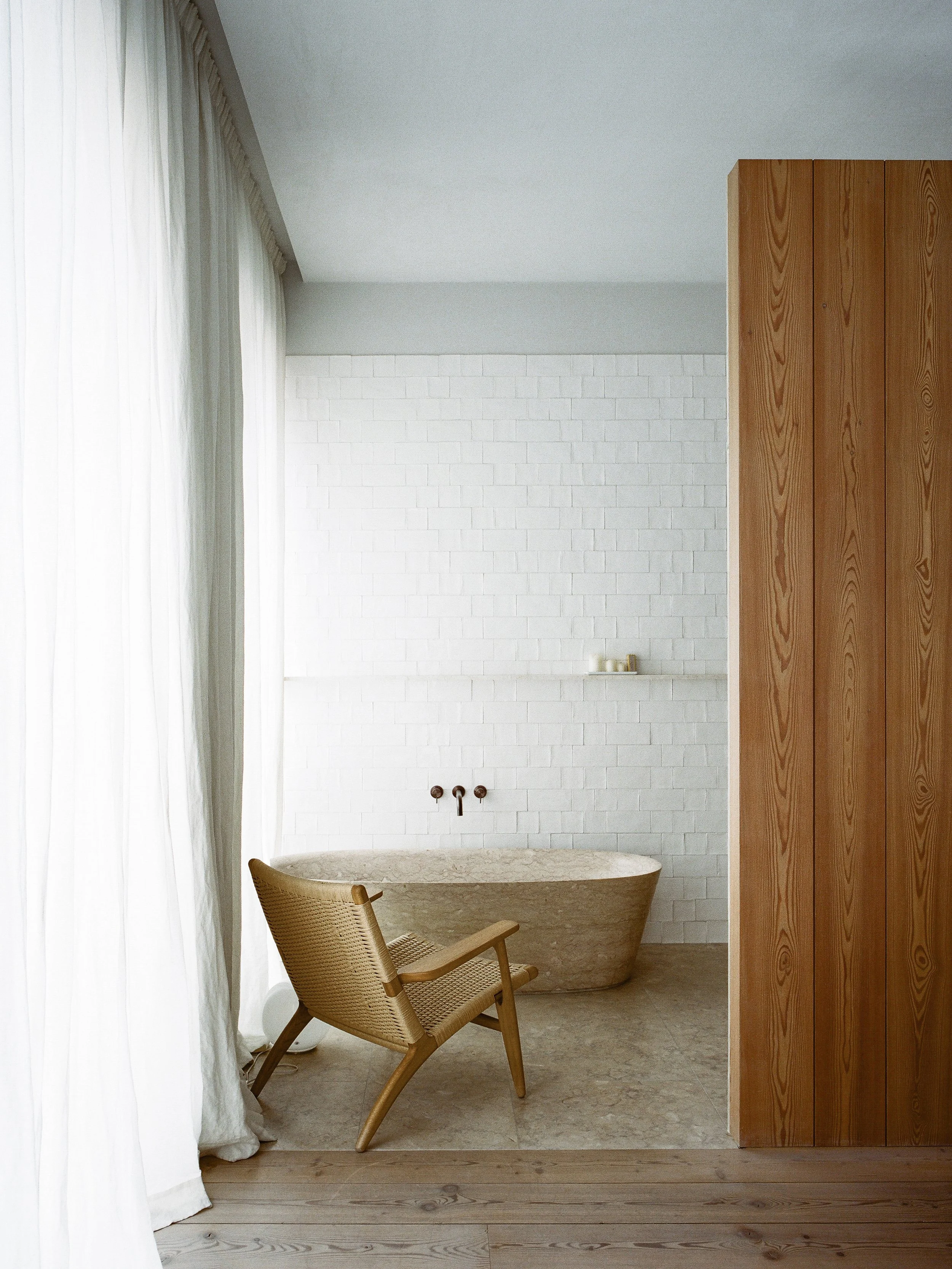
TMF: How do you approach the notion of atmosphere, and what elements do you consider essential in shaping it?
MRP: Atmosphere for me, is the result of a process that happens quietly behind the scenes. It is something you feel before you can rationally explain it — a space that evokes emotion without immediately revealing its source.
I look for timelessness and a certain neutrality, allowing each person to inhabit the space in their own way and to complete the narrative with their own story.
Our Story